
Recovery Doesn’t Always Mean Going Back to the Way Things Were
Managing a workers’ compensation claim with the whole person in mind is especially important when an injury changes what daily life looks like.
A worker is hurt on the job. The first questions everyone asks are about the claim. What’s the diagnosis? What’s the treatment plan? When can they go back?
Those questions matter. But there’s another one that often goes unasked, and it shapes everything that follows: What does this person actually need to move forward with their life?
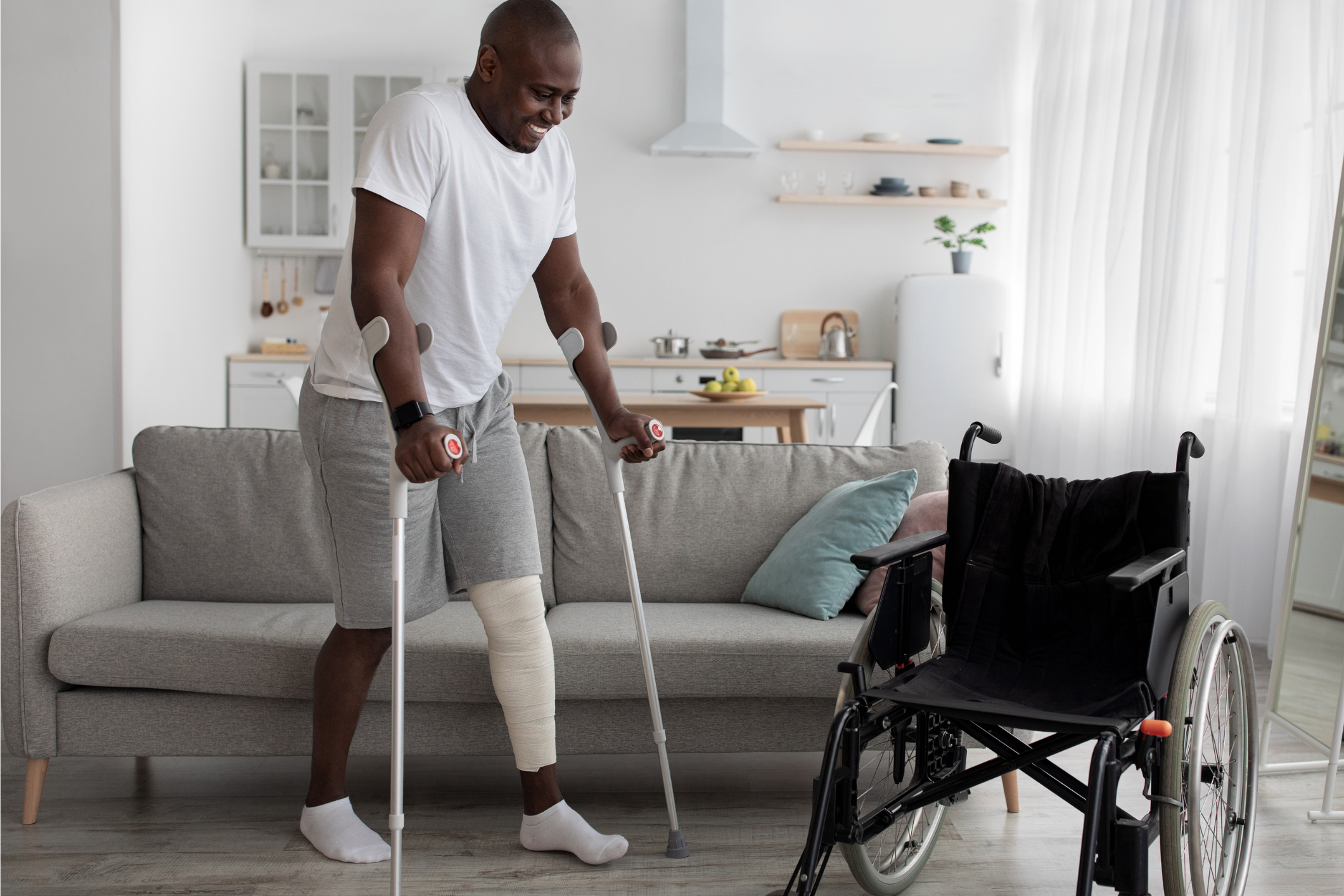
For most injured workers, the answer is a full recovery and a return to the job they had. But not every injury ends there. Some are serious enough to reshape what work and life will look like going forward. Disability Pride Month is a good moment to talk honestly about those cases, and about what good case management can offer the people living through them.
A person, not a case number
It’s easy for an injured worker to become a file. A claim number, a set of billing codes, a duration target on a dashboard. The pressure to close claims efficiently is real, and it isn’t going away.
But the worker on the other end of that file is a whole person. They have a job they want to keep. A family counting on them. Bills, routines, an identity that may be tied to the work they do. When an injury threatens all of that, the clinical plan is only part of what they’re carrying.
Good case management starts by seeing the person first and letting that shape every decision that follows.
Seeing the person first isn’t a soft skill or a nice-to-have. It’s what makes the rest of the work effective. A recovery plan built around a real human being, their goals, their constraints, and their fears, is a plan they’re far more likely to follow.
When recovery takes a different shape
Most claims resolve with the worker back at full duty. But sometimes an injury leaves lasting limitations. The path back isn’t a straight line to the old job. It’s a question of what’s possible now, and how to get there.
This is where case management does some of its most important work. A case manager who knows the worker, not just the chart, can help navigate the options that keep someone moving forward.
Modified or transitional duty that lets a worker stay engaged while they heal. Reasonable accommodations that make a return to work realistic. Vocational case management when the path forward means retraining for a different role. And honest, plain-language conversations along the way, so the worker understands what’s happening and feels like a participant in it, not a bystander.
None of this happens by accident. It happens because someone takes the time to ask what the worker can do, what they want, and what support would make the difference and then advocates to make it real.
Dignity is the foundation, not the finishing touch
There’s a tendency to treat dignity as something added at the end, a kind word, a sympathetic tone. But in case management, dignity is structural. It shows up in whether a worker is listened to when something in their voice doesn’t match the medical record. In whether their concerns are taken seriously. In whether the plan reflects their life or just the claim file.
The goal was never just a closed claim. It’s a person able to move forward, with the right support behind them.
When the work is done this way, the outcomes tend to follow, including better engagement, smoother recoveries, and resolutions that hold. But the outcomes are the byproduct. The starting point is treating the injured worker as a whole person with a future worth investing in.
This month, and every month
Later this month marks the anniversary of the Americans with Disabilities Act, signed July 26, 1990. The law established that a disability is not a disqualification and that reasonable accommodation is a right, not a favor. Those principles show up in the everyday work of case management: in the modified-duty role, the accommodation, the path forward when the old job isn’t an option anymore.
Disability Pride Month is a reminder that recovery isn’t always about getting back to exactly where someone started. Sometimes it’s about helping a person build something workable from where they are now, with skill, advocacy, and respect.
That’s the work. And it’s worth doing well.